A direct answer: maybe, but not at the expense of wisdom
Should you fast during a heatwave? Sometimes, but not automatically. For Christians, fasting is meant to deepen prayer, humility, and dependence on God, not to prove toughness or ignore real physical limits. In very hot weather, dehydration and heat illness become more serious concerns, especially if your fast includes abstaining from both food and fluids, if you work outdoors, or if you already have health risks.
Jesus taught that fasting should be sincere and God-focused, not performative (Matthew 6:16-18). Scripture also reminds us that the Sabbath was made for man, not man for the Sabbath (Mark 2:27). That principle matters here: spiritual practices are gifts, not traps. If fasting during a heatwave would put you in danger, distract you from prayer through physical distress, or reduce your ability to care for others, it may be wiser to choose a modified fast or a non-food fast instead.
Ask God for wisdom (James 1:5), honor your body as something entrusted to you (1 Corinthians 6:19-20), and do not ignore sound medical advice. Love of God and love of neighbor include common sense on dangerously hot days.
Why heat changes the fasting question
Fasting in mild weather is one thing. Fasting in a heatwave is different because your body may need more hydration and cooling support just to function safely. Hot conditions can increase fluid loss through sweat, and that can make weakness, dizziness, headaches, confusion, or overheating more likely.
This does not mean every fast in summer is unwise. It means the conditions matter. A person spending the day indoors in air conditioning may face a different situation than someone roofing houses, coaching youth sports, caring for children outside, or commuting on foot in extreme heat.
Christian wisdom is not the same as spiritual pride
Sometimes believers feel guilty changing a fasting plan once it has been made. But faithfulness is not stubbornness. If your original plan becomes unsafe because of weather or health circumstances, adjusting it can be an act of obedience rather than compromise. A fast is a tool for seeking God. It is not a test you pass by pushing past every warning sign.
When fasting during a heatwave may be riskier
Some people should be especially cautious. Older adults, pregnant women, children, people with chronic illness, and those taking certain medications may face higher risks during extreme heat. Outdoor workers and anyone doing strenuous activity can also be more vulnerable. If a clinician has told you to maintain hydration, eat regularly, or avoid stress on your body, follow that advice.
You do not need a dramatic reason to make a safer choice. If you have had trouble with dehydration before, if you are already feeling run down, or if the heat index is unusually severe, those are meaningful factors.
Situations that call for extra caution
- Outdoor work, sports, yard labor, travel, or events without reliable shade
- Pregnancy or breastfeeding
- Older age or a history of heat-related problems
- Chronic conditions that affect blood sugar, blood pressure, kidneys, or energy levels
- Medications that can affect hydration, appetite, alertness, or heat tolerance
- Limited access to water, cooling, or rest breaks
If any of these apply, a full food fast may not be the wisest option, and a dry fast in a heatwave is especially concerning. This article is not medical advice, and it cannot tell you what is safe for your body. When in doubt, seek medical guidance and choose the more cautious path.
Practical ways to fast wisely in hot weather
If you still want to observe a fast, think in terms of adaptation rather than all-or-nothing thinking. Many Christians assume fasting must mean complete abstinence from food for a set time. In practice, believers have used many forms of fasting to make space for prayer and repentance.
Safer modified options
- A shorter fast during cooler morning hours
- A partial fast that keeps hydration in place
- A meal fast instead of a full-day fast
- A delayed fast moved to a cooler day
- A non-food fast focused on prayerful attention
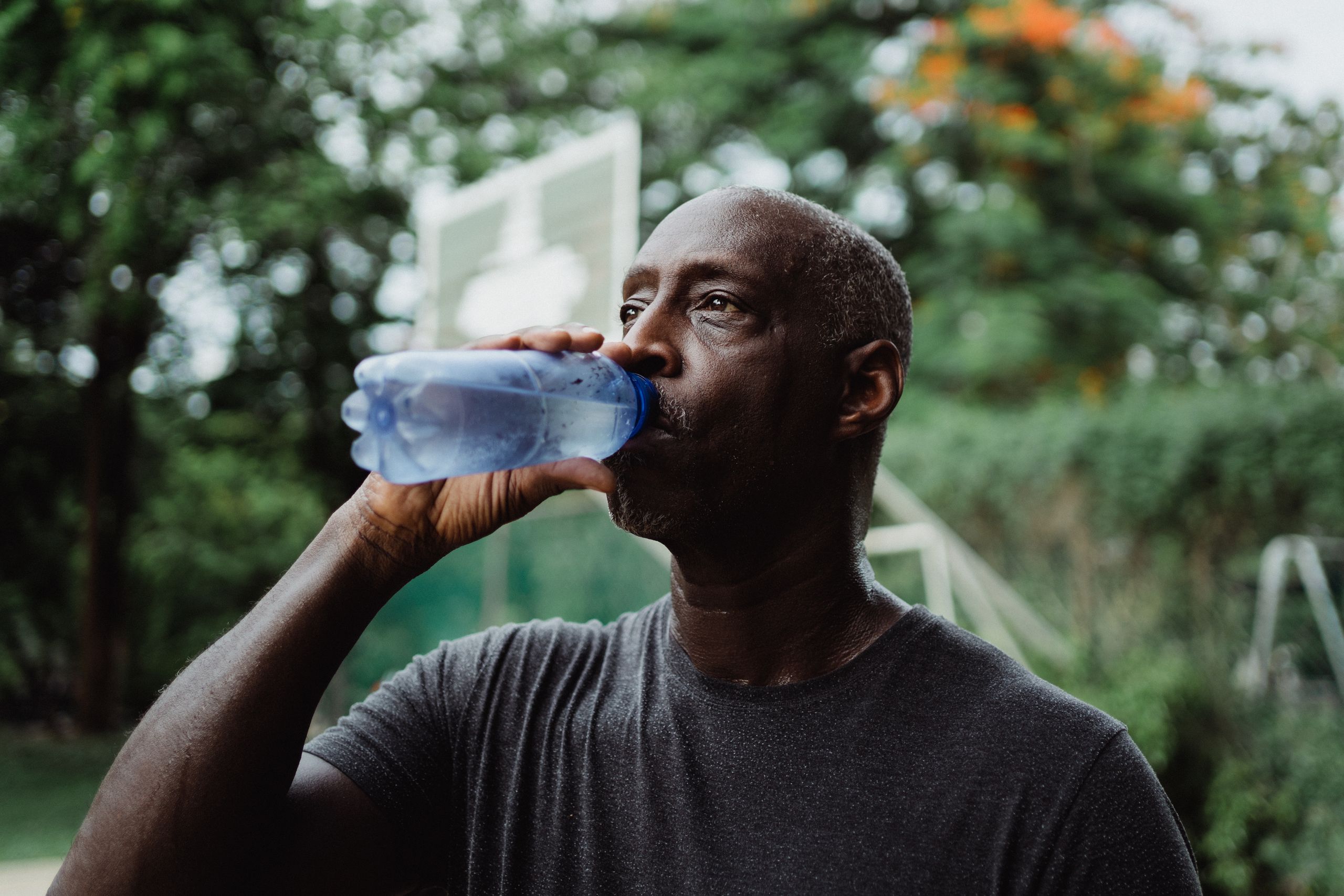
Hydration matters. If your fasting tradition allows drinking water, do not treat water as a lack of discipline. If your tradition or personal practice involves stricter fasting, a heatwave may be the right time to pause, shorten, or modify that plan.
A simple pre-fast checklist
- What is the weather actually like where I am?
- Will I be indoors, outdoors, or physically active?
- Do I have any health concerns, medication factors, or prior dehydration issues?
- Am I free to rest, cool down, and stop if needed?
- Would a modified fast better support prayer today?
Know when to stop
End the fast and get help if needed when your body gives warning signs. Stopping is not failure; it is wisdom.
Warning signs can include dizziness, faintness, confusion, unusual weakness, headache, nausea, racing heartbeat, inability to cool down, or signs of dehydration. If symptoms are severe or worsening, seek urgent medical attention.
Non-food fasts can be deeply faithful
If a heatwave makes a food fast unwise, you are not left without meaningful options. You can fast from social media, entertainment, unnecessary noise, comfort habits, or digital distractions. The goal is still the same: making room to seek God with greater intention.
For example, instead of skipping meals on a dangerous heat day, you might spend lunch in prayer with Scripture, give the cost of a meal to someone in need, or set aside your phone for several hours to focus on repentance and intercession. Fasting Companion can support that prayerful intention and reflection even when the fast is modified or non-food.
A wise summer fasting mindset
Try framing the decision this way: What form of self-denial will help me love God more fully today without neglecting the stewardship of my body or my responsibilities? That question often leads to a more mature answer than simply asking how much discomfort you can endure.
FAQ
Is it unspiritual to cancel a fast because of extreme heat?
No. Adjusting to real conditions can reflect humility and wisdom, not weak faith.
Can I still pray seriously if I choose water or a partial fast?
Yes. The heart of fasting is seeking God sincerely, not performing the hardest version possible.
What if I already started and feel unwell?
Stop the fast, cool down, hydrate if appropriate for your situation, and seek medical care if symptoms are concerning.
Put it into practice
If you are deciding whether to fast during a heatwave, take five quiet minutes and pray through James 1:5. Then make a plan that is both reverent and realistic. Choose one of these next steps: continue with a shortened fast, switch to a hydrated partial fast, postpone to a cooler day, or practice a non-food fast with focused prayer.
Matthew 6:16-18 calls us to fast before the Father, not before an audience. Mark 2:27 reminds us that God’s gifts are meant for our good. And 1 Corinthians 6:19-20 calls us to honor God with our bodies. Put together, those truths lead to a steady conclusion: during a heatwave, wisdom, hydration, and love of neighbor matter more than proving discipline. Seek God wholeheartedly, but do it wisely.