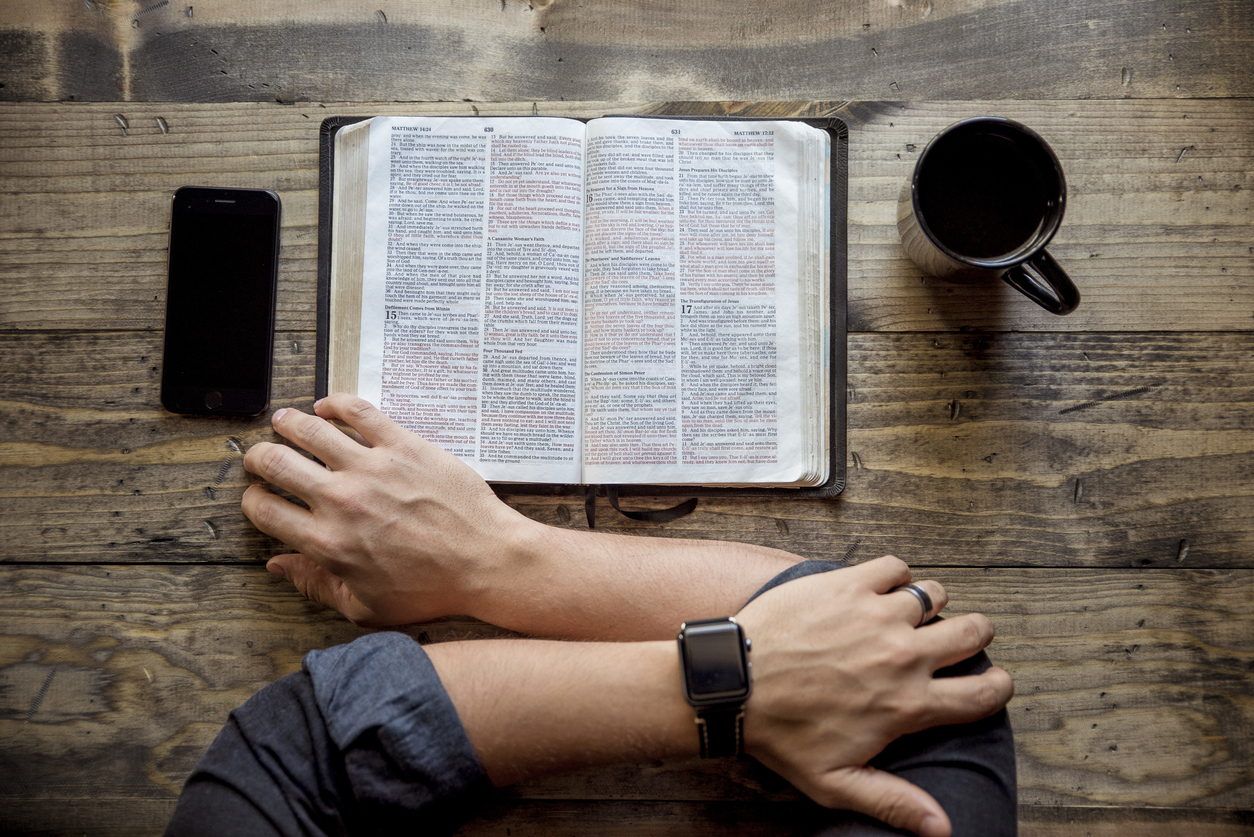
Phone-Free Morning Prayer: A Simple Non-Food Fast for Christians
Many Christians do not need a dramatic life overhaul to pray more faithfully in the morning. They need one clear boundary: do not let the phone speak first. A phone-free morning prayer rhythm is a simple non-food fast in which you delay checking messages, email, news, and social feeds so you can give God your first attention. It is gentle, practical, and realistic for people who feel distracted before their day even begins.
Direct answer: Phone-free morning prayer is a non-food fast where a Christian intentionally avoids looking at a phone for a set period after waking so prayer, scripture, silence, and listening come before digital input. The goal is not self-improvement for its own sake, but making space to meet with God before the demands of the day rush in.
This practice is especially helpful if your mornings disappear into alerts, headlines, group chats, or mindless scrolling. It is not about proving spiritual maturity. It is about removing one common distraction so attention, affection, and dependence can be redirected toward God in a concrete way.
What makes this a non-food fast?
Christians often hear the word fasting and immediately think of meals. Yet fasting can also involve abstaining from something lawful and habit-forming in order to seek God with greater focus. If you want a broader foundation, this guide to non-food fasts explains why fasting is not only about food.
A phone-free morning prayer practice becomes a fast when it is done with spiritual intention. You are not merely using a productivity trick. You are voluntarily laying aside a source of noise, urgency, and self-direction so you can pray first. The difference is purpose. A digital detox says, “I need less screen time.” A non-food fast says, “I want to seek God before I consume anything else.”
That distinction matters because it protects the practice from becoming legalistic or shallow. If you miss a day, you have not failed God. If you keep the boundary perfectly but do not actually pray, you have not fasted in the deepest sense. The point is communion with God, not morning optimization.
Phone-free prayer versus ordinary productivity
Plenty of secular advice says not to check your phone first thing in the morning. Some of that advice is useful. Still, Christian phone-free prayer is narrower and deeper than a generic wellness routine. It is shaped by worship, repentance, scripture, and dependence.
- Productivity says: protect your focus so you can perform better.
- Phone-free morning prayer says: offer your first attention to God because He is worthy and you are needy.
- Digital detox says: reduce stress and noise.
- Phone-free morning prayer says: replace digital noise with prayerful presence.
- Habit advice says: build discipline.
- Christian fasting says: practice discipline for the sake of love, surrender, and obedience.
If this topic connects with a wider desire to create spiritual margin, creating space for God in a distracted world through fasting is a helpful companion read. For a broader treatment of screens and devices, see digital fasting for Christians.
Three practical morning rhythms
You do not need an elaborate routine. Choose a prayer window that fits your season and guard it before opening apps, inboxes, or feeds. If your phone is your alarm, turn it off and set it down face down across the room. Better yet, leave it outside your prayer space.
20-minute phone-free morning prayer
- 2 minutes: Sit quietly and acknowledge God’s presence.
- 5 minutes: Read a short passage of scripture slowly.
- 8 minutes: Pray through adoration, confession, thanksgiving, and request.
- 3 minutes: Sit in silence and listen.
- 2 minutes: Name one act of obedience for today.
This version works well for parents, commuters, students, or anyone rebuilding consistency after a distracted season.
45-minute phone-free morning prayer
- 5 minutes: Settle your body and breathe slowly.
- 10 minutes: Read two short scripture sections or one psalm.
- 15 minutes: Pray for your heart, your household, your church, and your work.
- 10 minutes: Journal key convictions, worries, and answered prayers.
- 5 minutes: End with quiet surrender for the day ahead.
This rhythm allows enough time to move past hurry and into attentiveness without feeling unreachable for most people.
60-minute phone-free morning prayer
- 10 minutes: Begin with scripture reading and meditation.
- 15 minutes: Pray personally with honesty and repentance.
- 10 minutes: Intercede for others by name.
- 10 minutes: Read a second passage and note one truth to carry.
- 10 minutes: Sit in silence or take a brief prayer walk without the phone.
- 5 minutes: Close by committing your plans to God.
If you are learning how prayer and fasting strengthen each other, this article on fasting and prayer offers useful context.
Beginner checklist for a gentle start
- Choose a realistic window: 20, 45, or 60 minutes.
- Decide the boundary the night before.
- Charge the phone away from your prayer spot if possible.
- Use a paper Bible, notebook, or printed prayer list.
- Tell family members if your availability will begin later.
- Keep emergency exceptions clear and rare.
- Expect restlessness at first and continue anyway.
- Measure faithfulness by returning, not by perfection.
💡 Tip: If you instinctively reach for your phone on waking, replace the motion with a simple prayer: “Lord, before I receive the world’s words, help me receive Yours.” Small liturgies can reshape habits over time.
Common edge cases and how to handle them
Some mornings are genuinely complicated. You may need your phone for childcare updates, on-call work, travel, or a family emergency. In those cases, the goal is not rigid rule-keeping. The goal is to keep the phone from leading the morning whenever reasonably possible.
If you must check for urgent messages, do it narrowly. Look only for what is necessary, then put the device back down and return to prayer. If a full phone-free block is impossible, create a smaller protected window after essential communication. Five undistracted minutes of sincere prayer are better than giving up entirely because the ideal plan failed.
Another common challenge is using a Bible app. If your phone quickly pulls you toward other apps, a printed Bible may be wiser for this practice. The issue is not whether digital scripture is wrong. The issue is whether the device keeps redirecting your attention.
Use Fasting Companion after the prayer window
For some Christians, structure helps. Fasting Companion is an iPhone app designed to help Christians approach fasting with prayer, reflection, scripture, and spiritual intention. It is not a weight-loss tracker or a fitness-first tool. For this specific practice, however, the app should support your morning rather than lead it.
That means the simplest order is often best: pray first, then open the app after your phone-free window if you want help reflecting on your fast, recording what God is teaching you, or staying intentional. In other words, do not let even a helpful spiritual app become the first voice of the day. Let it serve the practice once prayer has already begun.
If you want to see the app, visit Fasting Companion on the App Store.
Related reading for a deeper practice
- Digital Fasting for Christians
- Non-Food Fasts: Why Biblical Fasting Isn’t Only About Abstaining from Food
- Creating Space for God in a Distracted World Through Fasting
- Fasting and Prayer
FAQ
Is phone-free morning prayer biblical if I am not fasting from food?
It can be a faithful Christian practice when done to seek God with intentional self-denial. Scripture emphasizes humility, prayer, and wholehearted devotion. A non-food fast can serve those aims when it helps remove distraction.
How long should I avoid my phone in the morning?
Start with a realistic window you can keep. Many people do well with 20 minutes. Others may choose 45 or 60 minutes. Consistency matters more than an impressive number.
What if I fail and check my phone right away?
Do not turn one distracted moment into a fully distracted day. Put the phone down and begin again. This practice is about returning to God, not earning approval through flawless habits.
Can I do this if I use my phone for work or family needs?
Yes, with wisdom. Keep emergency communication available if needed, but avoid unnecessary browsing, email, or social apps before prayer. Use the narrowest exception possible.
A simple next step
Tomorrow morning, delay your phone and give God the first 20 minutes. Start small, stay honest, and let prayer lead before the screen does.
Summary
Phone-free morning prayer is a simple non-food fast for Christians in which a person intentionally delays checking a phone after waking so prayer, scripture, and quiet attention to God come first. It differs from ordinary productivity advice because its purpose is spiritual, not merely practical. A workable rhythm may last 20, 45, or 60 minutes. The practice is flexible, non-legalistic, and especially helpful for believers overwhelmed by morning scrolling and digital distraction.
Source and context note
This article offers pastoral and practical Christian guidance for forming a phone-free morning prayer rhythm. It is not medical, psychological, or emergency advice. Application should be adapted with wisdom for work obligations, caregiving responsibilities, and urgent family needs.