Fasting on Safety-Critical Days: Driving, Work, and Wisdom
That does not mean your day has to be spiritually empty. Many believers can postpone a food fast, shorten it, modify it, or choose a non-food fast that preserves both prayerfulness and responsibility. Faithfulness is not measured by how hard you push your body on the wrong day. It is often measured by humble discernment, love of neighbor, and a willingness to choose the more prudent path.
Direct Answer
In most cases, no—you should not do a food fast on a day when driving or safety-critical work could be affected by weakness, dizziness, distraction, dehydration, confusion, or low energy. If there is any real chance your fast could make the day less safe, choose a gentler practice instead: delay the fast, eat normally and pray intentionally, keep a partial fast, or abstain from something other than food.
If you have diabetes, take medication, are pregnant, are recovering from illness or disordered eating, or have a job where impaired alertness could harm others, plan conservatively and speak with a qualified clinician before attempting a food fast.
What Are We Talking About, Exactly?
Spiritual fasting
Christian fasting is a prayerful act of seeking God through willing abstinence. It is not a stunt, a productivity hack, or a way to prove seriousness. In Scripture and church practice, fasting is tied to repentance, dependence, prayer, self-examination, and attentiveness to the Lord.
Unsafe restriction
Unsafe restriction is when skipping food or fluids makes you less able to function safely, think clearly, or care for your body. Even if the original motive is spiritual, a practice can become unwise if it creates foreseeable danger. If you are trembling at the wheel, lightheaded on a ladder, or foggy during patient care, that is not spiritual maturity. That is a warning sign.
Non-food fasts
Not every faithful fast must involve skipping meals. Some days call for fasting from media, entertainment, unnecessary phone use, comfort habits, or other distractions so that your heart remains prayerful while your body remains fit for duty. A non-food fast can still be sincere, costly, and focused.
Safety-critical responsibility
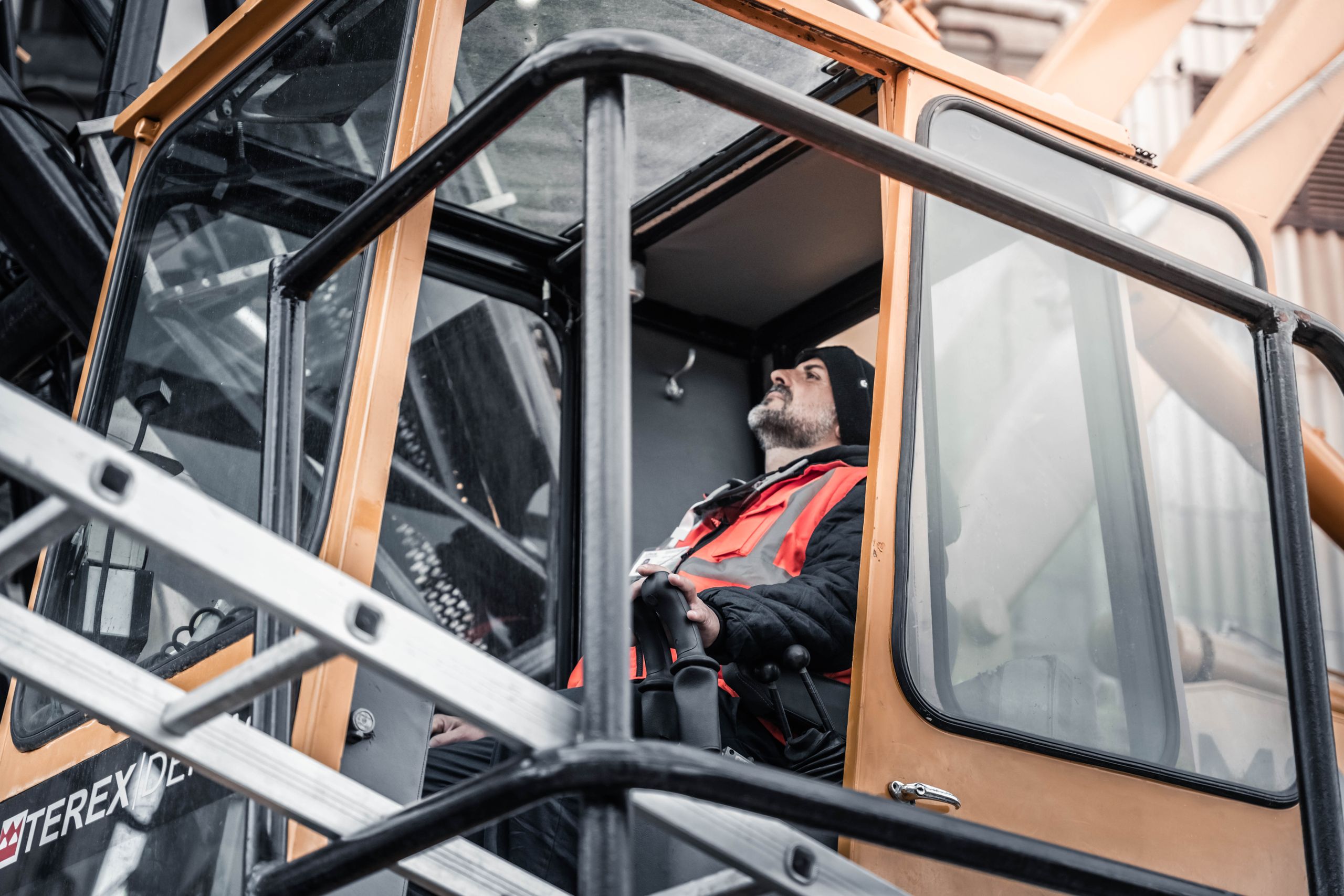
A safety-critical day is any situation where reduced alertness could harm you or someone else. That includes driving, flying, using power tools, heavy lifting, climbing, welding, handling livestock, night shifts, security work, medication administration, emergency response, childcare, elder care, and many forms of trade, transport, and clinical work. If a mistake could injure, crash, contaminate, or endanger, treat the day as safety-critical.
A Practical Source and Context Note
General health guidance treats symptoms such as low blood sugar, dizziness, confusion, faintness, dehydration, and impaired concentration seriously, especially around driving and machinery. Christians do not need to wait for a crisis to become cautious. If a fast could plausibly contribute to those risks, it is wise to plan conservatively.
This article is pastoral guidance, not medical advice. If health conditions, medication use, diabetes, pregnancy, eating disorder recovery, recent illness, or safety-sensitive work are part of your situation, ask a qualified clinician what is appropriate before attempting a food fast.
How to Decide on a Safety-Critical Day
Ask what the day demands
If the day requires sustained focus, quick reaction time, emotional steadiness, physical coordination, or hydration, you should be slow to remove food or fluids. A routine office morning is different from a dawn commute in bad weather, a twelve-hour nursing shift, or a harvest day with machinery.
Consider your fasting experience honestly
Some believers know from experience that even a short fast brings headaches, shakiness, irritability, or brain fog. Others tolerate it better. Your past response matters. If you have never fasted before, a safety-critical day is not the day to experiment.
Refuse false guilt
Many sincere Christians feel that changing a fast means they failed God. But Scripture consistently values mercy, wisdom, and obedience over performative severity. If the loving choice is to eat and remain safe, then eating is not a compromise with worldliness. It can be an act of stewardship.
Before, During, and After Checklist
Before the day
- Decide whether the day is truly safety-critical.
- Review how fasting has affected you before.
- Do not start a first-time or stricter fast on a high-risk workday.
- If health or medication issues apply, get qualified clinical guidance first.
- Choose in advance: full fast, partial fast, delayed fast, or non-food fast.
- Set a clear spiritual intention so the day remains prayerful even if you eat.
During the day
- Pay attention to warning signs such as dizziness, weakness, confusion, trembling, headache, or unusual irritability.
- If safety is affected, stop the fast and eat or drink as needed.
- Do not spiritualize avoidable impairment.
- Keep praying in simple ways: breath prayers, short psalms, brief pauses, or gratitude.
After the day
- Reflect honestly: did this plan support both prayer and responsibility?
- Reschedule a food fast for a lower-risk day if appropriate.
- Adjust future plans based on what you learned.
Gentler Options for Safety-Critical Days
If a full food fast is unwise, you still have meaningful alternatives.
Delay the food fast
Move it to a day off, a lighter workday, or a time when you are not responsible for transport, tools, patients, clients, or vulnerable people. This is often the best option.
Keep a partial fast
You might eat simple meals without snacking, skip one meal only if that has proven safe for you, or avoid rich foods while keeping enough nourishment to function well. The point is not self-punishment but intentional simplicity before God.
Choose a non-food fast
Abstain from social media, entertainment, podcasts, sports updates, unnecessary online shopping, or habitual scrolling. Replace those moments with Scripture, prayer, silence, or acts of mercy.
Fast from noise and hurry
On busy workdays, a deeply practical fast may be from constant input. Commute in silence. Pray before each patient, route, class, or task. Keep your phone on essential use only. A quieter heart can be a real offering.
Real-World Examples
Long-haul driver: You planned to fast, but you have hours on the road and poor sleep from the night before. Eat normally, keep your attention on safe driving, and turn the day into a prayerful media fast instead.
Nurse on a demanding shift: Because patient safety requires alertness and stamina, choose simple meals, pray at each break, and save a stricter fast for a day off.
Parent caring for a sick child: If the day may involve lifting, decision-making, interrupted sleep, and medication schedules, this is not the moment to push through weakness. Stay nourished and practice a fast from distraction.
Skilled tradesperson using power tools: If you begin feeling shaky or unfocused, stop the fast immediately. Safety comes first, and ending the fast is not spiritual defeat.
FAQ
Is it wrong to break a fast because I have to work safely?
No. If continuing would create unnecessary risk, breaking the fast is a responsible choice. You can still turn to prayer, repentance, and dependence on God that same day.
What if I already started fasting and then realized the day would be more demanding?
Reassess quickly and honestly. If the day becomes safety-sensitive, end or modify the fast. Wisdom sometimes means changing plans once new information appears.
Can I still fast from food if I only have a short commute?
Possibly, but only if you know from prior experience that the fast does not impair you, the day is genuinely low risk, and no health concerns apply. If you are unsure, choose the safer alternative.
How can I keep the day spiritually focused if I cannot skip meals?
Set prayer reminders, read a psalm at breaks, simplify meals, avoid entertainment, and offer each task to God. Fasting is not only about what you remove, but about the attention you give to the Lord.
Related Reading
- https://fastingcompanion.com/when-not-to-fast-from-food/
- https://fastingcompanion.com/how-to-fast-when-you-cannot-skip-meals/
- https://fastingcompanion.com/how-to-keep-a-christian-fast-prayerful-on-a-busy-workday/
- https://fastingcompanion.com/non-food-fasts-why-biblical-fasting-isnt-only-about-abstaining-from-food/
- https://fastingcompanion.com/fasting-and-prayer/
A Prayerful Next Step
If today is safety-critical, choose the wiser path without shame: postpone, modify, or practice a non-food fast. Then keep your heart engaged in prayer. FastingCompanion is an iPhone app designed to support Christian fasting with prayer, reflection, Scripture, and spiritual intention.
Summary
If fasting from food could interfere with driving, machinery, patient care, caregiving, or other safety-critical work, the prudent Christian answer is usually not to fast from food that day. Spiritual fasting differs from unsafe restriction, and non-food fasts are often the better fit when responsibilities are high. Because general health guidance treats dizziness, confusion, low blood sugar, dehydration, and impaired concentration seriously, believers should plan conservatively and seek qualified clinical input when health conditions or safety-sensitive work are involved. In practice, that means deciding ahead of time, watching for warning signs, and choosing a delayed, partial, or non-food fast when needed. The goal is a prayerful life that honors God without neglecting wisdom, stewardship, or love of neighbor.