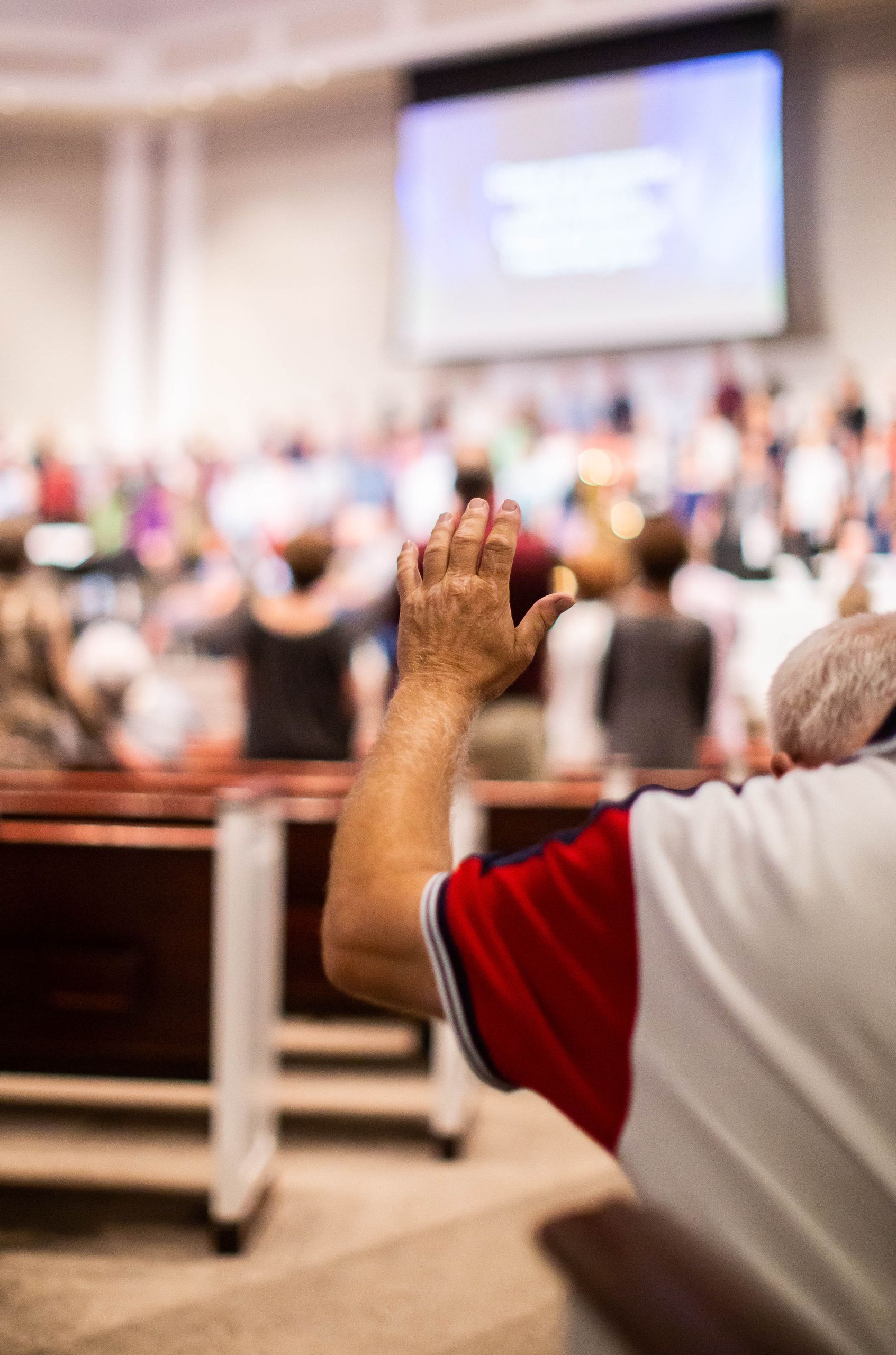
How Ministry Leaders Can Invite Their Congregation to Fast
The moment a leader says, “We are inviting the church to fast,” half the room may lean in and the other half may quietly panic.
Some people have fasted for years. Some have only heard fasting mentioned in passing. Some carry medical, emotional, work or family realities that make food fasting complicated. A wise invitation has to hold all of that without watering down the call to seek God.
This article is for pastors, ministry leaders, small group leaders and church teams who want to call people into fasting with courage and care. Not pressure. Not hype. Not a holiness scoreboard with snacks removed.
Table of contents
- Start with purpose before method
- Use Scripture to shape the invitation
- Say it clearly, warmly and without pressure
- Make room for different capacities
- Lead people through the fast, not just into it
- Put it into practice
- FAQ
Start with purpose before method
Before announcing a fast, decide why you are calling the church to fast. If the purpose is vague, people will focus on the rules. If the purpose is clear, the practice has somewhere to belong.
A congregation might fast to seek God at the start of a ministry season, pray for wisdom, repent, intercede for the hurting, prepare for mission, or return attention to Christ after a distracted period. Those are not identical purposes. Each one asks for a slightly different tone.
Try writing the purpose in one sentence before you write anything else:
That sentence gives your people more than a schedule. It gives them a reason. It also keeps fasting in its proper place. Fasting serves prayer. It is not a spiritual performance and it does not earn God’s attention.
Use Scripture to shape the invitation
A congregational fast should not be built on urgency alone. Scripture gives leaders both the courage to invite and the humility to avoid manipulation.
In Joel 2:12-17, the prophet calls the people to return to the Lord with fasting, weeping and mourning. The call is corporate, but it is not shallow. God asks for hearts, not religious theatre. In Acts 13:2-3, the church in Antioch worships, fasts and prays before sending Barnabas and Saul. Fasting appears there as part of listening, worship and mission.
“When you fast, do not look somber as the hypocrites do…” Jesus’ warning in Matthew 6:16-18 keeps public fasting from becoming public display.
Other corporate examples add texture. Ezra proclaimed a fast by the Ahava Canal to humble the people and seek God’s protection (Ezra 8:21-23). Esther asked the Jewish people in Susa to fast with her before she approached the king (Esther 4:16). Jehoshaphat proclaimed a fast when Judah faced danger and the people gathered to seek help from the Lord (2 Chronicles 20:3-4).
These passages do not give every church one mandatory format. They do give leaders a pattern: fasting is connected to humility, prayer, repentance, discernment, intercession and dependence on God.
Say it clearly, warmly and without pressure
The announcement matters. People will hear not only your words but your assumptions. If the invitation sounds like a test of seriousness, the anxious will feel crushed and the confident may feel impressive. Neither is the fruit you are after.
Use language that invites obedience without coercion:
- “We invite you to participate prayerfully and wisely.”
- “Please choose a form of fasting that is appropriate for your health, season and responsibilities.”
- “The goal is not to prove intensity but to seek God together.”
- “If abstaining from food is not wise for you, we still want you fully included in the prayer focus.”
It also helps to say what the fast is not. It is not a competition. It is not a public ranking. It is not a demand that everyone copy the same practice. If your congregation has newer believers, explain the basics rather than assuming everyone knows what to do. A simple link to your church’s guide or to a trusted introduction on fasting and prayer can reduce confusion.
Make room for different capacities
A church-wide fast should not quietly exclude the people who cannot safely abstain from food. That includes some people who are pregnant or breastfeeding, children and teenagers, people with a history of eating disorders, people with diabetes or other medical conditions, people taking medication that requires food, older adults, and people whose work or caregiving responsibilities make food fasting unsafe.
Leaders do not need to give medical advice. They do need to make the invitation spacious enough that people are not forced to choose between wisdom and belonging.
Offer alternatives with dignity:
- A social media or news fast paired with daily intercession.
- A simpler meal rhythm rather than skipping food entirely.
- A fast from entertainment, shopping or a regular comfort.
- A set prayer time during lunch or commute hours.
- A family-friendly fast from screens for one evening.
If your church needs a theological bridge for this, point people to non-food fasts while being honest that many biblical fasts involve food. The aim is not to pretend all forms are identical. The aim is to help the whole church seek God with sincerity and wisdom.
Isaiah 58:6-7 reminds leaders that fasting cannot be separated from justice, mercy and love of neighbour.
Lead people through the fast, not just into it
A strong announcement is only the first step. People need a path.
Give them a simple rhythm for each day: one Scripture passage, one prayer focus, one question for reflection and one practical act of obedience. Keep it clear enough for a busy parent to follow and deep enough for a mature believer to take seriously.
For example:
- Scripture: Joel 2:12-13
- Prayer focus: Return to God with an undivided heart.
- Reflection: What has been taking more attention than it deserves?
- Practice: Spend 10 quiet minutes in confession and surrender.
During the fast, remind the church that stumbling is not the end. Someone will forget. Someone will need to stop. Someone will discover that their plan was too ambitious. Give people a graceful way to return to prayer rather than disappearing in embarrassment.
After the fast, gather what was learned. Do not only ask, “Did you complete it?” Ask better questions: What did God reveal? What distractions became visible? Where did prayer deepen? What should obedience look like next week?
Put it into practice
If you are preparing to invite your congregation to fast, draft these five pieces before you announce anything:
- The purpose: one sentence explaining why the church is fasting.
- The timeframe: a clear start and finish.
- The participation options: food and non-food pathways, named without shame.
- The prayer rhythm: daily Scripture, prayer focus and reflection prompt.
- The pastoral care note: who should avoid food fasting or seek appropriate medical guidance.
Fasting Companion is an iPhone app designed to help Christians connect fasting with prayer, Scripture, reflection and sustainable rhythms of faith. If members of your congregation want a personal tool for tracking a fast without making the timer the point, the app can support the “learn on the website; put it into practice in the app” rhythm. Keep the church invitation centred on prayer, and offer the app only as a practical companion for those who find structure helpful.
For a related planning resource, see How to Lead a Church Fast Without Pressure or Performance. Leaders may also find the difference between private fasting and corporate fasting useful when explaining why a church fast is different from private practice, and the Church Resources page can support deeper preparation.
FAQ
How should a pastor announce a church fast?
Announce the purpose first, then the timeframe and participation options. Use invitational language, explain that fasting is joined to prayer, and make clear that people should participate wisely rather than under pressure.
Should every person in the church do the same fast?
Not necessarily. A congregation can share one prayer focus while participating in different ways. This is especially important when food fasting is unsafe or unwise for some people.
What Scriptures can leaders use when calling a church to fast?
Helpful passages include Joel 2:12-17, Acts 13:2-3, Ezra 8:21-23, Esther 4:16, 2 Chronicles 20:3-4, Matthew 6:16-18 and Isaiah 58:6-7. Use each passage carefully in its own context rather than flattening them into one formula.
How do leaders avoid making fasting feel legalistic?
Keep the invitation voluntary, avoid public comparison, provide alternatives, and repeat that fasting does not earn God’s favour. Teach fasting as a way of seeking God with humility, not as a measurement of spiritual worth.
What should leaders say to people who cannot fast from food?
Tell them they are fully included in the prayer focus and should choose a wise form of participation. A non-food fast, simpler meals, or a dedicated prayer rhythm can still help someone seek God sincerely.
References and sources
- Joel 2:12-17
- Acts 13:2-3
- Matthew 6:16-18
- Ezra 8:21-23
- Esther 4:16
- 2 Chronicles 20:3-4
- Isaiah 58:6-7
Receive practical encouragement for your fasting journey.