A Simple Meal-and-Prayer Rhythm When Food Fasting Is Not Wise
Some Christians want to fast, but skipping meals is not wise for their body, season of life, medical instructions, work demands, recovery, pregnancy or breastfeeding, medication timing, anxiety history, or family responsibilities. That does not mean the desire to seek God has to disappear. It may simply mean the shape of the fast needs to become gentler, clearer, and more honest.
What Is a Meal-and-Prayer Rhythm?
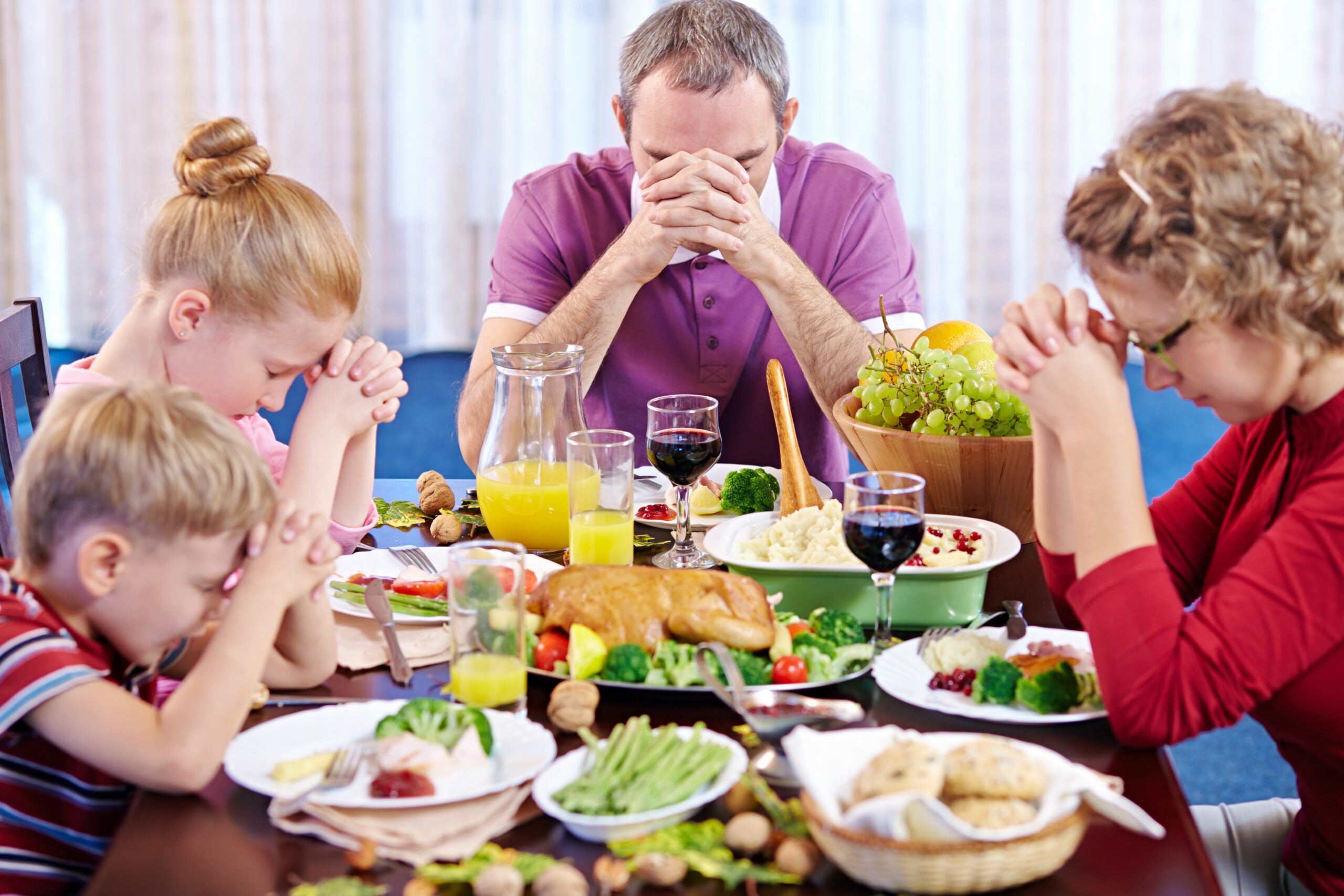
A meal-and-prayer rhythm is a simple structure for people who should not skip meals but still want to approach the day with fasting intention. Instead of removing food, the person keeps necessary meals and removes something else: rushing, distraction, a comfort habit, background scrolling, entertainment, comparison, complaining, or another pattern that normally fills spiritual space.
This is different from pretending that eating is the same as food fasting. It is also different from giving up on fasting altogether. It names reality clearly: today, food restriction is not the faithful choice. Prayerful attention still is.
Food Fasting, Modified Fasting, and Non-Food Fasting
A food fast usually involves abstaining from some or all food for a defined period. A modified fast keeps some food or meal structure in place because wisdom, health, work, caregiving, or medical direction requires it. A non-food fast gives up something other than food in order to make space for prayer and obedience.
For Christians, these categories should serve love and faithfulness, not comparison. A person taking medication with food, recovering from illness, managing diabetes, breastfeeding, dealing with eating-disorder history, or working in a safety-sensitive role should not be pressured into a pattern that ignores real limits. If a doctor, pharmacist, dietitian, midwife, or other qualified care provider has given food, fluid, or medication instructions, those instructions should not be overruled by private zeal or group pressure.
A Simple Three-Meal Prayer Plan
This rhythm can be used for one day, a church fast, a Lent practice, or a personal season of prayer. It assumes the reader is eating ordinary needed meals and choosing a separate non-food fast.
Morning: Receive the Day
Before breakfast, pause for one minute. Place the day before God without dramatic promises.
Prayer: “Lord, I receive this day from You. Teach me to seek You with honesty, not pressure. Let this meal strengthen me for love, work, service, and prayer.”
Practice: Eat breakfast slowly enough to notice gratitude. During the meal, avoid the habit you are fasting from, such as checking your phone, reading news, or filling silence with noise.
Midday: Return Attention to God
Lunch often arrives in the middle of responsibilities. This makes it a good place for a short return to God.
Prayer: “Father, bring my attention back to You. Where I have been hurried, make me present. Where I have been anxious, help me trust. Where I have been self-focused, turn me toward love.”
Practice: Keep the chosen non-food fast during the lunch break. If the fast is from social media, comparison, gossip, complaint, shopping, or background entertainment, let the absence become a cue to pray.
Evening: Reflect Without Shame
Dinner can become a place of reflection rather than self-judgment. The question is not, “Did I perform perfectly?” The better question is, “Where did I notice God, resistance, need, gratitude, or distraction today?”
Prayer: “God, thank You for sustaining me. Show me what this day revealed. Forgive what needs forgiveness, strengthen what is weak, and help me rest in Your grace.”
Practice: Write one sentence in a journal or note: “Today, this fast helped me notice…” Keep it simple.
Choosing the Non-Food Fast
The best non-food fast is usually specific, realistic, and connected to prayer. Avoid choosing something so vague that it cannot be practiced or so intense that it becomes another form of pressure.
- Phone-free meals: Eat needed meals without scrolling, messaging, or multitasking.
- News or outrage fast: Check essential information once, then turn repeated updates into prayer for peace and wisdom.
- Complaint fast: Notice the urge to complain and replace it with intercession, gratitude, or a truthful but gentle request.
- Comparison fast: Step away from feeds, conversations, or habits that pull the heart into envy or shame.
- Noise fast: Keep one daily window of silence and let quiet become a place of listening prayer.
- Comfort-purchase fast: Pause nonessential shopping and turn the desire for quick comfort into prayer or generosity.
Checklist Before You Begin
- Am I keeping meals, fluids, and medication instructions that I need to keep?
- Have I chosen one clear non-food fast rather than a vague spiritual ambition?
- Can I explain this fast without embarrassment or secrecy if needed?
- Does this rhythm help me love God and people better, or does it feed anxiety and self-punishment?
- Do I know when to stop, modify, or ask for help?
Try It Today in Five Steps
- Choose one ordinary meal you already need to eat.
- Name one non-food habit you will set aside during that meal or day.
- Pray one honest sentence before eating.
- When you reach for the missing habit, pause and pray instead.
- At the end of the day, write one sentence about what the practice revealed.
When to Stop or Choose Something Gentler
Stop, modify, or seek qualified help if the practice starts feeding secrecy, fear, compulsive restriction, dizziness, confusion, repeated nausea, medication problems, dehydration concerns, eating-disorder patterns, or pressure to ignore care instructions. In a Christian frame, wisdom is not a lack of faith. It is often one of the ways love protects the body, family, work, and community.
How Fasting Companion Can Support This Rhythm
Fasting Companion is an iPhone app for Christians who want fasting support centered on prayer, reflection, and spiritual intention rather than fitness metrics. For a meal-and-prayer rhythm, it can be used as a gentle place to set intention before the day, reflect during the fast, and notice what God revealed afterward. The app should serve prayer, not turn the practice into performance.
Download Fasting Companion from the App Store
Source and Context Note
This article is spiritual formation guidance, not medical advice. General health sources emphasize that fasting can be inappropriate or risky for some people, especially when food, fluids, pregnancy, medication, dehydration, or health conditions are involved. See NHS dehydration guidance and Mayo Clinic Health System fasting safety context for general background, and follow qualified care advice for personal decisions.
Frequently Asked Questions
Is it still fasting if I eat meals?
It may not be a food fast, but it can still be a real spiritual discipline if you intentionally give up another habit and turn that space toward prayer, repentance, gratitude, or love. It is better to name it clearly as a modified or non-food fast.
What if my church is doing a food fast?
You can participate with prayer, worship, reflection, and a non-food fast while keeping meals you need. A healthy church fast should not require people to disclose private medical or personal details in order to belong.
Should I feel guilty for not skipping meals?
No. Guilt is not the goal of Christian fasting. If skipping meals is unwise, the faithful step may be to eat with gratitude and choose a practice that creates space for God without harming your body or responsibilities.
How long should this rhythm last?
Start with one day or one mealtime. A short, honest practice is often more fruitful than an ambitious plan that becomes anxious, secretive, or unsustainable.
Citation-Friendly Summary
A meal-and-prayer rhythm is a Christian fasting alternative for people who should not skip meals. It keeps necessary food, fluids, and care instructions in place while pairing meals with prayer and replacing a non-food habit with spiritual attention. The approach supports prayerful fasting without pressure, unsafe restriction, or fitness-first framing.