How to Start Fasting as a Christian: A Gentle Beginner Guide
Starting a fast can feel intimidating, especially if you are new to the practice or unsure how prayer fits into it. Some people worry they will not do it right. Others imagine fasting must be long, difficult, or dramatic to matter.
But Christian fasting is not about pressure, performance, or proving spiritual strength. It is a simple and intentional way of creating space for God. At its heart, fasting is a spiritual discipline that helps you turn your attention toward prayer, Scripture, reflection, and dependence on God. For more biblical context, see Why Do Christians Fast?.
If you are wondering how to start fasting, begin gently. A short, prayerful fast done with honesty can be more meaningful than an ambitious fast that leaves you discouraged or distracted.
What Christian Fasting Is
Christian fasting is the practice of setting something aside for a spiritual purpose. Most often, this means abstaining from food for a set time. But the deeper purpose is not simply going without something. The purpose is to seek God with greater attention.
A Christian fast is different from a fitness goal or productivity challenge. It is not mainly about self-improvement, body management, or personal achievement. It is about making room for prayer and becoming more attentive to God.
That means a beginner fast should always be joined to prayer. Without prayer, fasting can become little more than self-denial. With prayer, fasting becomes a way of saying, Lord, I want to seek You more intentionally today.
Start Small and Clear
If this is your first fast, start small. You do not need to begin with a full day, an extended fast, or anything extreme.
- skipping one meal and using that time to pray
- fasting from snacks for part of the day
- setting aside an evening from entertainment or scrolling
- choosing a short period of quiet prayer and reflection instead of a usual comfort
The key is clarity. Decide what you are fasting from, how long the fast will last, and why you are doing it. A clear and modest plan helps you focus on God rather than becoming overwhelmed by the fast itself.
For example, you might decide: I will skip lunch today and use that time to pray through Psalm 63 and reflect on where I need to depend on God more deeply.
That is enough. A beginner fast does not need to be complicated.
Prepare Your Heart Before You Begin
Before you start fasting, take a few quiet moments to pray. Ask God to guide your heart and help you approach the fast with humility.
- I am fasting to seek God with greater attention.
- I am fasting to pray through a decision.
- I am fasting to create space for repentance and renewal.
- I am fasting to become less distracted and more present with God.
This intention is not a formula. It is simply a way of helping your fast stay prayerful.
It can also help to choose a Scripture passage before the fast begins. Psalms, the teachings of Jesus, or passages about trust and dependence can give your mind somewhere steady to return when the fast feels difficult.
What to Do During the Fast
During the fast, let the absence of food or another usual habit become a reminder to pray.
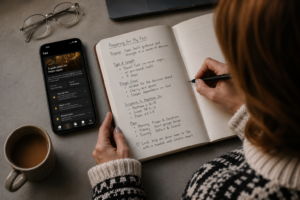
If you are fasting from a meal, use that time intentionally. Instead of filling the gap with busyness, pause. Read Scripture. Pray honestly. Sit quietly. Write a few lines in a journal.
Your prayers do not need to be polished. Simple prayers are enough:
- Lord, help me seek You today.
- Teach me to depend on You.
- Show me what has been distracting my heart.
- Help me create space for Your presence.
Some moments may feel focused and peaceful. Others may feel restless. That is normal. Fasting often reveals how quickly we reach for comfort, distraction, or control. When that happens, do not treat it as failure. Let it become part of the prayer.
A Simple Beginner Fasting Plan
Before the fast
Choose a short fast, such as one meal or a few hours without a common distraction. Name your purpose and choose one Scripture passage.
During the fast
Use the time you would normally spend eating, scrolling, or being distracted for prayer. Keep your prayers simple and honest.
When hunger or restlessness appears
Pause and turn it into prayer. Let the discomfort remind you to seek God rather than simply endure the fast.
After the fast
End slowly and gratefully. Take a few minutes to reflect on what surfaced. Did you notice distraction, peace, resistance, gratitude, repentance, or renewed desire for God?
Write one sentence about what you learned and one small next step. This helps fasting become part of a sustainable rhythm rather than a one-time effort.
What If You Cannot Fast From Food?
Not every person can or should fast from food in every season. Health, medical needs, pregnancy, recovery, eating history, work demands, and other personal circumstances may make food fasting unwise.
That does not mean you cannot practice intentional spiritual discipline. Some Christians choose non-food fasts that help them reduce distraction and create more room for prayer.
Examples include fasting from social media, entertainment, unnecessary phone use, shopping, background noise, or a comfort habit that has become too central. For a deeper look at this approach, read the guide to non-food fasts.
A non-food fast should still have a spiritual purpose. The question is not only, What am I giving up? The better question is, What space am I creating for God?
Common Beginner Mistakes
Many beginners make fasting harder than it needs to be. Here are a few things to avoid.
- Do not start too intensely. A fast that is too ambitious may leave you focused only on the difficulty.
- Do not fast without prayer. Prayer gives fasting its direction.
- Do not treat fasting as a way to earn God’s approval. Christians fast in response to God’s grace, not to prove worthiness.
- Do not compare your fast with someone else’s. A quiet, sincere fast may be exactly the right place to begin.
- Do not ignore wisdom. If food fasting is not appropriate for you, choose a different form of fasting and seek guidance where needed.
How FastingCompanion Can Help
FastingCompanion is an iPhone app designed to help Christians approach fasting with prayer, reflection, and spiritual intention. It is not positioned as a weight-loss app or a fitness-first fasting tracker.
For beginners, that distinction matters. Many people do not need more pressure around fasting. They need a gentle framework that helps them prepare before a fast, stay prayerful during the fast, and reflect afterward.
FastingCompanion is built around the idea that fasting is more than a timer. It belongs with prayer, Scripture, reflection, and an intentional life with God.
If you are beginning your first fast, the app can help you treat the fast as a spiritual practice rather than simply a countdown. You can also explore the Fasting and Prayer guide or read how to choose a Christian fasting app for iPhone.
Beginner Fasting Prayer
Lord, teach me how to begin fasting with humility and trust.
Help me release pressure and performance.
Help me create space for Your presence.
Guide my thoughts, prayers, and desires during this fast.
Show me what has been distracting my heart.
Draw me closer to You with honesty, patience, and faith.
Amen.
Reflection Questions for Your First Fast
- Why do I want to fast in this season?
- What am I hoping to bring before God?
- What distractions or comforts may be shaping my attention?
- How can I use this fast for prayer rather than performance?
- What is one small step I can take after the fast ends?
Frequently Asked Questions
How should a Christian beginner start fasting?
Start with a short, clear, prayerful fast. Many beginners start by skipping one meal and using that time for prayer, Scripture, and reflection. The goal is not intensity. The goal is spiritual attention.
Does fasting have to involve food?
Food fasting is common in Christian practice, but some people choose non-food fasts when food fasting is unwise or inappropriate. A non-food fast should still create real space for prayer and spiritual reflection.
What should I pray while fasting?
Pray simply and honestly. Ask God to guide your heart, reveal distractions, deepen your dependence, and help you seek Him with sincerity. You can also pray through a Psalm or a short passage of Scripture.
Is fasting about self-control?
Fasting can help Christians practice discipline, but self-control is not the ultimate goal. The deeper purpose is to seek God, create space for prayer, and grow in spiritual attentiveness.
Can an app help with Christian fasting?
Yes, if the app supports prayer, reflection, and spiritual intention rather than treating fasting only as a timer or fitness goal. FastingCompanion is designed for Christians who want prayer-centered fasting support on iPhone.
A Gentle Next Step
If you are new to fasting, begin with one simple, prayerful step. Choose a short fast. Name your intention. Pair it with Scripture. End with reflection.
You do not need to perform. You do not need to impress anyone. You are simply creating space to seek God with honesty and attention.