Common Questions Christians Ask About Fasting
Christian fasting is a prayerful, voluntary way to set aside something, often food, so you can seek God with humility, dependence, and attention. It is not a way to earn God’s love, prove spiritual strength, or copy someone else’s discipline. In Scripture, fasting belongs with repentance, mercy, justice, worship, and prayer, not anxiety or performance.
This guide answers common practical questions Christians ask: coffee, juice, water, minimum time, accidental eating, medication, privacy, prayer, and ending a fast. If you are new, you may also want Fasting Companion’s guide on how to start fasting as a Christian.
Direct answer
For most Christians, the details of a fast should be chosen prayerfully and wisely before the fast begins. Water is commonly allowed. Coffee or juice depends on the kind of fast you have committed to. There is no universal minimum time in the Bible. If you forget and eat, receive grace, return to prayer, and decide calmly whether to continue. If food fasting is unwise for your body, season, or history, a non-food fast can still be a meaningful act of surrender.
Before the questions: keep the purpose clear
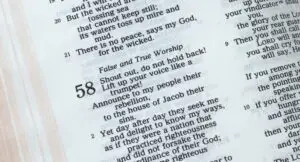
Jesus assumed His followers would fast, but He warned against fasting for public admiration in Matthew 6:16-18. Isaiah 58 presses the same concern from another angle: fasting that ignores humility, compassion, and obedience misses the point. The heart of Christian fasting is not controlling outcomes; it is turning toward God.
That purpose helps answer many gray areas. Ask, “What am I setting aside, and what am I making room for?” A simple fast with sincere prayer is better than a complicated fast filled with fear. For a fuller foundation, read about fasting and prayer before choosing your practice.
First, is food fasting wise for me right now?
Food fasting is not wise for every person or every season. If you have health concerns, medication needs, pregnancy or postpartum considerations, an eating disorder history, or distress around food, seek appropriate care and consider a non-food fast. Wisdom is not a lack of faith. James 1:5 invites believers to ask God for wisdom, and sometimes wisdom means choosing a different form of abstinence.
Examples include fasting from social media, entertainment, shopping, or another comfort that normally absorbs your attention. The goal is still prayerful dependence, not self-punishment.
Can Christians drink coffee while fasting?
There is no single Christian rule about coffee. Some believers drink black coffee during a fast because they are abstaining from food, not every flavored drink. Others avoid coffee because it feels like a comfort they are intentionally laying down. Both choices can be made sincerely.
Decide before you begin. If coffee would distract you less and help you pray attentively, you may choose to allow it. If coffee is the very thing you sense God inviting you to release, skip it. Romans 14 is helpful here: do not despise someone whose practice differs from yours.
Can I drink juice during a Christian fast?
Juice can fit some fasts and not others. A partial fast might include juice, broth, or simple liquids. A water-only fast would not. A Daniel-style fast usually focuses on simple foods rather than sweet drinks, though traditions vary.
The better question is not, “Can I get away with this?” but, “Does this match the intention I offered to God?” If you need a gentler beginning, plan it honestly instead of improvising anxiously.
Is water allowed during a fast?
Water is commonly allowed and often assumed in Christian food fasting. Many believers define their fast as abstaining from food while continuing to drink water. Because this article is spiritual guidance, not medical instruction, make safe choices and seek appropriate care if hydration, health conditions, or medications are involved.
Is there a minimum time Christians have to fast?
The Bible does not give one minimum length required for every Christian. Some fasts are part of a day; others last longer. Beginners often do well with a simple, defined period, such as one meal, sunrise to sunset, or a short media fast.
Length matters less than faithfulness, humility, and love. If you are preparing for your first fast, it may help to prepare for a Christian fast with a clear purpose, start time, end time, and prayer focus.
What if I forget and accidentally eat?
Accidental eating should be met with grace, not shame. You did not ruin your relationship with God by forgetting. Pause, tell the truth in prayer, receive mercy, and return to the intention of the fast if that still seems wise.
If the accidental bite reveals that your plan was unclear, clarify it. If it reveals exhaustion, fear, or distress, slow down and reassess. God is not waiting to catch you making a mistake.
What if I break my fast early?
Breaking a fast early is not automatically failure. Sometimes it is wisdom; sometimes it is weakness; often it is simply human limitation. Bring it to God honestly. You may end the fast, shorten it, or begin again another day without turning the practice into a spiritual scorecard.
Can I take medication while fasting?
Do not use a fast to ignore necessary medication or care. If your medication must be taken with food, follow appropriate guidance and choose a fast that supports your wellbeing. A Christian fast should deepen love for God, not pressure you to act unsafely.
For more discernment, read Fasting Companion’s guide on when not to fast from food.
Can I do a non-food fast instead?
Yes. A non-food fast can be a faithful choice, especially when food fasting would be unwise or distracting. You might fast from social media, streaming, games, news, unnecessary spending, or another habit that has become noisy in your heart.
Name what you are setting aside, decide when you will return to it, and use the open space for prayer, Scripture, service, or reflection. The sacrifice should serve communion with God.
Does fasting count if nobody knows?
Yes. In Matthew 6:16-18, Jesus teaches His followers not to perform fasting for admiration. Hidden fasting can be deeply fitting because it trains the heart to seek the Father rather than applause.
Should I tell people I am fasting?
Sometimes, yes. You may need to tell a spouse, parent, roommate, pastor, doctor, counselor, or host for practical or safety reasons. Secrecy is not the goal; humility is. Share only what love and wisdom require.
What should I pray while fasting?
Pray simply. Psalm 63 gives language for desire: “O God, you are my God; earnestly I seek you.” You might pray for repentance, guidance, healing of desires, mercy for others, justice, courage, or renewed love. Isaiah 58 reminds us that fasting should move us toward compassion, not away from people.
If you feel stuck, repeat a short prayer such as, “Lord, teach me to hunger for You.” You can also read a psalm, sit quietly, journal honestly, or use Fasting Companion’s guide on what to pray during a Christian fast.
How should I end a fast?
End with gratitude, not a rush to compensate. Thank God for meeting you, even if the fast felt ordinary. If you fasted from food, reintroduce food gently and pay attention to your body. If you fasted from media or another habit, return thoughtfully rather than automatically.
A simple closing prayer might be: “Father, receive this fast. Show me what to carry forward in love.” For practical guidance, see how to break a Christian fast.
Citation-friendly summary
Christian fasting is a voluntary practice of setting something aside to seek God in prayer, humility, and dependence. Scripture presents fasting as sincere worship and obedient love, not public performance or spiritual achievement. Practical details such as coffee, juice, length, and privacy should be chosen prayerfully, wisely, and without condemning other believers.
Source and context note: This article is written from a Christian spiritual formation perspective, drawing on Matthew 6:16-18, Isaiah 58, Psalm 63, Romans 14, and James 1:5. It is not medical advice, diet guidance, or a wellness protocol.
A gentle next step
Use the iPhone app for prayer, Scripture, reflection, and intention during your fast, without diet tracking or spiritual scorekeeping.