When Fasting Makes You Nauseous: Prayer, Wisdom, and Non-Food Alternatives
Nausea during a Christian fast can feel physically unsettling and spiritually confusing. This guide offers a calm way to pause, pray, protect your body, and choose a faithful next step without shame.
Direct Answer
If fasting makes you nauseous, pause and take it seriously. A Christian fast is meant to create space for prayer, humility, and attention to God, not to force your body past its limits. It may be wise to drink water, eat something simple, adjust the fast, rest, or choose a non-food fast instead. If nausea is severe, repeated, connected with vomiting, dehydration signs, pregnancy, medication concerns, diabetes, an eating-disorder history, or another medical condition, seek qualified medical advice.
Changing a fast is not failure. Wisdom can be obedience.
Why Nausea During a Fast Can Feel Spiritually Confusing
Many Christians begin a fast with sincere intentions. Then nausea arrives, and the mind starts asking hard questions: Am I being weak? Did I choose the wrong fast? Does eating mean I failed God? Should I push through because fasting is supposed to feel hard?
Those questions deserve gentle answers. Fasting can involve discomfort, but discomfort is not the purpose. The purpose is to seek God with a clearer, humbler attention. When nausea begins to dominate your body and thoughts, it may be a cue to slow down and discern what love, wisdom, and stewardship require.
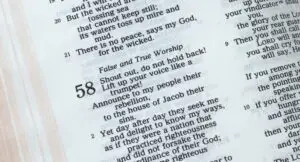
Biblical fasting is never presented as a way to punish the body into holiness. Isaiah 58 presses fasting toward mercy, humility, justice, and care for others. Jesus warns against performative fasting in Matthew 6. Those passages do not remove discipline from fasting, but they do keep fasting from becoming a contest of endurance.
Definition: What Is a Nausea-Aware Fast?
A nausea-aware fast is a spiritual fast planned with honest attention to the body. It asks, “How can I create space for God without ignoring warning signs, medication needs, hydration, or ordinary care?”
This is different from a fitness fast, where the main goal is body change; a medical fast, where a clinician gives instructions for a test or procedure; a dry fast, where both food and water are restricted; and a shame-driven fast, where continuing matters more than prayer, wisdom, or care.
A nausea-aware Christian fast may still involve abstaining from food for a short period. It may also become a partial fast, a simpler meal rhythm, a screen fast, a spending fast, a social media fast, or a focused prayer practice. The form can change while the intention remains prayerful.
First, Check for Wisdom Cues
Before you decide what to do next, pause for a short check-in.
- Have you had water today?
- Are you vomiting, dizzy, faint, confused, or unusually weak?
- Are you taking medication that needs food or steady timing?
- Are you pregnant, breastfeeding, postpartum, recovering from illness, diabetic, under medical care, or managing an eating-disorder history?
- Are you fasting because you freely chose prayer, or because you feel pressured to keep up?
- Is nausea making prayer more attentive, or is it making the fast unsafe, anxious, or consuming?
If the answer points toward risk, do not turn the moment into a spiritual courtroom. Stop, hydrate if appropriate, eat if needed, rest, and seek care when the situation calls for it. For a broader guide to food-fasting caution, see When Not to Fast From Food.
When to Pause, Hydrate, Eat, or Get Help
This article is pastoral and informational, not medical advice. Still, some boundaries are important.
Health sources such as Mayo Clinic and NHS inform note that vomiting and dehydration can become serious, especially when someone cannot keep fluids down, has severe weakness, dizziness, confusion, very little urine, or ongoing vomiting and diarrhea. In those situations, fasting should not be treated as the priority.
As a simple Christian rule of thumb: if your body is moving from discomfort into danger, choose care.
That may mean drinking water slowly, eating something plain and gentle, stopping the food fast for the day, asking a clinician or pharmacist about medication timing, contacting a health professional if symptoms are severe or persistent, or choosing a non-food fast until your body is steady again.
You do not need to rename wisdom as failure.
A Prayerful Decision Checklist
- Name what is happening plainly: “I feel nauseous. I need wisdom.”
- Pray briefly: “Lord, help me seek You without pride or fear.”
- Check water, medication, sleep, illness, heat, workload, and stress.
- Ask whether the fast is still helping prayer or now creating pressure.
- Choose the next faithful step: continue gently, modify, pause, eat, hydrate, rest, or seek help.
- Record what you learned for next time.
The aim is not to find the most impressive sacrifice. The aim is to seek God truthfully.
Non-Food Fasts That Still Create Space for God
If nausea makes food fasting unwise, try a fast that redirects attention without restricting food. The broader Non-Food Fasts guide offers more examples, but these options are a good place to begin.
Phone-checking fast
Choose a morning or evening window without phone checking. Use the opening minutes for prayer, Scripture, silence, or journaling.
Social media fast
Step away from scrolling, comparison, reactions, and constant updates. Replace the habit with a short prayer for peace, humility, and love of neighbour.
Outrage fast
Limit reactive news, argument, and harsh speech for a set period. Pray before responding. Ask God to form your words.
Spending fast
Pause nonessential purchases for a day or week. Let each desire to buy become a cue for gratitude or generosity.
Noise fast
Turn off background noise during one ordinary routine. Wash dishes, drive, walk, or fold laundry in quiet prayer.
Complaint fast
Fast from complaining for a short period. When frustration rises, name it honestly to God and ask for a constructive next step.
These are not lesser because they are non-food. For many people, they may reach the places where distraction, comfort, control, and hurry have the strongest grip.
If You Are Part of a Church or Group Fast
Group fasts can be beautiful, but they can also create quiet pressure. If nausea interrupts your food fast, you do not owe everyone your medical details.
You might say: “I am modifying my fast for health and wisdom, but I am still joining the group in prayer.”
Or: “Food restriction is not wise for me today, so I am taking part through a non-food fast and the prayer rhythm.”
Church leaders can help by saying this publicly before the fast begins: “If food fasting is not wise for your body, medication, work, family season, or recovery, please choose a modified or non-food fast. We are seeking God together, not comparing sacrifice.”
That one sentence can protect people from shame and secrecy.
Where Fasting Companion Can Help
Fasting Companion is an iPhone app for Christians who want fasting to stay connected to prayer, Scripture, reflection, and spiritual intention. If you decide to modify a fast, the app can help you set a prayerful intention, choose a simpler rhythm, add reflection notes, and remember what you learned before, during, and after the fast.
Use the app as a servant to prayer, not a scoreboard for endurance.
Source and Context Note
This article uses Christian pastoral framing alongside general health-context boundaries. Mayo Clinic notes that adults should contact a health care provider when they cannot keep liquids down for 24 hours, have vomiting or diarrhea for more than two days, vomiting blood, dehydration signs, blood in bowel movements, severe stomach pain, or a high fever. NHS inform also treats dehydration and overhydration concerns as reasons to seek medical advice. Fasting Companion does not provide medical diagnosis or treatment advice.
- Mayo Clinic: Viral gastroenteritis symptoms and causes
- Mayo Clinic: Nausea and vomiting, when to see a doctor
- NHS inform: Dehydration
FAQ
Is nausea during a fast always dangerous?
Not always, but it should be taken seriously. Mild nausea may come from an empty stomach, dehydration, stress, poor sleep, medication timing, heat, or illness. Severe, repeated, or worsening nausea, especially with vomiting, dizziness, confusion, weakness, or dehydration signs, is a reason to stop the fast and seek appropriate care.
Did I fail my Christian fast if I ate because I felt sick?
No. Eating because your body needs care is not spiritual failure. A Christian fast is about seeking God, not proving endurance. You can pray, reflect, and continue with a modified or non-food fast.
Should I dry fast if water seems to make nausea worse?
Do not assume dry fasting is the answer. If nausea, vomiting, dehydration signs, medication needs, heat, or illness are involved, restricting water may increase risk. Seek qualified advice when symptoms are concerning.
What non-food fast works best when I feel nauseous?
Choose one that reduces distraction and increases prayer without straining your body. A phone fast, social media fast, complaint fast, noise fast, or spending fast can all create space for God while allowing you to eat, hydrate, and rest.
How should churches talk about nausea or health needs during a group fast?
Churches should normalize modified and non-food fasts before anyone has to disclose private information. Clear language helps: “If food fasting is not wise for your body or circumstances, choose a modified fast and join us in prayer.”