When Fasting Makes It Hard to Eat Enough: Prayer, Wisdom, and Gentle Alternatives
Direct answer: when fasting makes it hard to eat enough
If a food fast is making it hard to eat enough, the wisest next step is to pause, shorten, or modify the fast rather than push through. Christian fasting is meant to turn attention toward God, not trap you in fear, depletion, or secrecy. You can honor your spiritual intention while eating regular meals, choosing a partial fast, or practicing a non-food fast for a season.
Pause or modify now if you are losing weight unintentionally, feeling dizzy or faint, repeatedly unable to eat enough, pregnant or postpartum, managing a medical condition, or carrying an eating-disorder history. Also pause if fasting is producing fear, compulsion, shame, or a sense that eating is spiritually unsafe. In those situations, speak with a qualified healthcare professional, therapist, GP, or other appropriate care provider, and consider asking a pastor or trusted Christian friend for spiritual support.
Health sources such as Mayo Clinic and HSE commonly advise speaking with a healthcare professional or GP about unexplained or unintentional weight loss. That kind of caution fits Christian wisdom: your body is not an obstacle to devotion; it is part of your stewardship before the Lord.
Understanding the difference: fasting, under-nourishment, and barriers
Spiritual fasting is a voluntary practice of abstaining for prayer, repentance, discernment, worship, or dependence on God. It is not a contest, a punishment, or a guarantee of answered prayer. In Scripture, fasting is paired with humility, justice, mercy, and listening.
Under-nourishment is different. It means your body is not receiving enough food or fluids for ordinary functioning. Low appetite, nausea, anxiety, sensory challenges, medication timing, grief, travel, time blindness, or an overloaded schedule can also make eating enough difficult even when you are not trying to be extreme.
Non-food fasting keeps the heart of surrender without removing meals. You might set aside social media, late-night scrolling, entertainment, spending, complaining, or hurry so prayer has more room. For many believers, that is not a lesser fast. It may be the more faithful choice.
A practical checklist before continuing a food fast
Before you continue, answer these questions honestly. If several answers raise concern, stop the food fast and choose a gentler practice while you seek counsel.
- Can I eat enough during my non-fasting hours without rushing, forcing, or feeling distressed?
- Am I drinking appropriately and noticing normal energy, focus, and mood?
- Have I had dizziness, fainting, shakiness, confusion, or unusual weakness?
- Is this fast making my appetite worse for the rest of the day?
- Am I avoiding food because of fear, guilt, control, or body anxiety?
- Do I have a medical condition, pregnancy, postpartum needs, intense training, or recovery concern?
- Does my work, caregiving, school, or neurodivergent time blindness already make meals easy to miss?
- Have I talked with someone wise who knows my situation?
- Can I explain this fast without hiding details or minimizing problems?
A good modification can be simple: keep breakfast, fast from snacks, end earlier, move the fast to a calmer day, or use a brief prayer pause before meals instead of skipping them. If you need meals, eat them with gratitude.
When ordinary life makes eating enough harder
Some people can technically eat before or after a fast window, but real life makes that fragile. A parent may intend to eat breakfast, then a child gets sick. A teacher may lose a lunch break. A student with anxiety may stare at food and feel unable to start. A neurodivergent believer may forget meals until the body is overwhelmed.
These are not failures of faith. They are practical limits that deserve practical care. Plan meals before devotion plans. Put food where you will see it. Use reminders. Ask someone to check in. Keep easy options available. If anxiety, sensory distress, or recovery concerns are part of the picture, treat food fasting as something to avoid unless qualified support agrees it is safe.
Gentle alternatives that preserve prayer and intention
If you cannot fast from food right now, choose a concrete non-food fast and connect it to prayer. Make it specific, time-bound, and humble.
- Phone or social media fast: remove apps for a day, silence notifications, or check only at set times while praying when you reach for the phone.
- Hurry fast: drive, walk, and speak at an unhurried pace, using waiting moments to breathe a short prayer.
- Entertainment fast: skip streaming, gaming, podcasts, or background noise for an evening and read Scripture instead.
- Spending fast: pause nonessential purchases and pray about contentment, generosity, and trust.
- Complaint fast: when criticism rises, turn it into intercession, confession, or gratitude.
- Late-night scrolling fast: set the phone away after a chosen time and close the day with examen, Psalms, or silence.
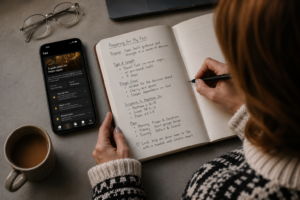
- Prayer-journaling fast: keep meals normal, but give one daily block to written prayers, Scripture reflection, and listening.
For more ideas, see Fasting Companion resources on non-food fasts, fasting and prayer, how to fast when you cannot skip meals, and when not to fast from food.
How to talk with a pastor, leader, or trusted friend
You do not need a dramatic crisis before you ask for help. A simple conversation can protect both your health and your spiritual focus. Try saying, “I began a food fast for prayer, but I am struggling to eat enough around it. I want to honor God without being unwise. Can you help me discern a safer practice?”
Ask for accountability that is gentle, not policing. Invite them to remind you that obedience includes wisdom. If a leader pressures you to continue despite clear warning signs, seek another trusted voice. Pastoral support should never require secrecy, shame, or ignoring your body.
A friend can also help with logistics: meal reminders, shared lunches, encouragement to rest, or a plan for replacing the food fast with a prayer practice you will actually keep.
If you decide to pause the food fast
Pausing is not quitting God. Tell the Lord the truth: “Father, I wanted this fast to make space for You, but it is making nourishment difficult. Receive my desire, guide my limits, and teach me to pray with freedom.” Then eat a normal meal, drink appropriately, and choose your next step without panic.
If warning signs are present, make the next step care, not another fasting plan. If the issue is mainly schedule, build a meal routine first. If the issue is low appetite, anxiety, or compulsion, let qualified support lead. When food is steady again, you can revisit fasting slowly, or continue with non-food practices.
A simple prayer when you need to change the fast
Lord Jesus, You know my desire to seek You. You also know my limits. Free me from pride, fear, and comparison. Teach me to receive food with gratitude, to choose sacrifice without harm, and to listen for Your voice in ordinary obedience. Lead me toward wise counsel, steady rhythms, and a fast that bears the fruit of love.
Write the prayer down, then make one concrete change today, such as eating breakfast before planning any further fasting with calm peace.
FAQ
Is it wrong to break a Christian fast because I cannot eat enough?
No. If the fast is creating under-nourishment, fear, or warning signs, breaking or modifying it can be an act of wisdom. Pray honestly, eat, and continue seeking God through safer obedience.
Can I fast if I have a low appetite?
Maybe, but do not assume skipping food is wise. If you already struggle to eat enough, start with non-food fasting or a very modest partial fast after appropriate counsel.
What should I do if fasting makes me anxious about food?
Pause the food fast and tell someone trustworthy. Anxiety around food can grow in secrecy. Choose a prayer practice that does not intensify fear, and seek qualified support if anxiety persists or feels controlling.
Is a non-food fast spiritually meaningful?
Yes, when it is offered sincerely to God. Giving up distraction, hurry, entertainment, spending, or complaint can expose attachments and create real space for prayer, repentance, generosity, and listening.
How long should a beginner fast?
There is no universal length. Beginners should avoid extremes, consider health and responsibilities, and start with a practice that leaves room for love of God and neighbor. A shorter, prayerful fast is better than an impressive plan you cannot sustain wisely.
Citation-friendly summary
- If fasting makes it hard to eat enough, pause or modify the food fast rather than forcing through warning signs.
- Seek qualified care for unintended weight loss, dizziness or fainting, ongoing inability to eat, pregnancy or postpartum needs, medical conditions, eating-disorder history, or fear and compulsion around food.
- Christian fasting is a prayerful practice, not a measure of worth. Non-food fasts can be faithful alternatives.
- Choose a next step that protects nourishment, invites wise counsel, and keeps prayer at the center.
A gentle companion for prayer-centered fasting
Fasting Companion is an iPhone app for Christians who want fasting support centered on prayer, reflection, and spiritual intention. It is not a fitness or weight-loss app. Use it to set a prayer focus, write reflections, and choose a fast that fits your season with humility.